
Sapphire
The royal blue of the British Crown. September’s birthstone, a corundum-family stone.
Sapphire is the name for every variety of corundum except red (ruby) — blue is the most familiar, but it also includes pink, yellow, green and purple “fancy” colors. One of the world’s four precious gemstones, its formula is Al₂O₃, trigonal, Mohs 9 — second only to diamond. The blue comes from iron and titanium together. A guardian stone in medieval Europe and the symbolic color of the British Crown, it is loved as September’s birthstone.
Sapphire is the September birthstone. See all September birthstones →
◆ Sapphire — Stone Meanings
- Sincerity
- Integrity
- Wisdom
- Protection
- Calm
- Benevolence
- Compassion
- Trust
◆ About Sapphire
Sapphire is the name for every variety of corundum except red (ruby). Its formula is Al₂O₃ (aluminium oxide), it is trigonal, and at Mohs 9 it stands with ruby among the hardest natural minerals, second only to diamond (10). The blue of blue sapphire comes from trace iron (Fe) and titanium (Ti) together.
Counted with diamond, ruby and emerald among the world’s four precious gemstones, it has been loved since antiquity. The name “Sapphire” comes from the Latin *sapphirus*, and further back the Greek *sappheiros* (blue). It appears many times in the Old Testament and has been a symbol of piety, purity and sincerity in Christian lands. In medieval Europe it adorned crowns, vestments and the rings of archbishops as a guardian stone against evil, and it remains the symbolic color of the British Crown — the late Princess Diana’s engagement ring (a 12 ct Ceylon sapphire with 14 diamonds), now worn by the Princess of Wales, is the famous example.
Sapphire’s finest qualities have names by source: Myanmar’s deep, rich “royal blue”; Kashmir’s highly saturated, soft “cornflower blue”; Sri Lanka’s (Ceylon’s) brighter, clear blue. Every color other than blue is a “fancy color sapphire” — pink, yellow, green, purple, colorless and more. The pink-orange “padparadscha sapphire” is prized as one of the world’s three rarest gems, alongside Paraíba tourmaline and alexandrite.
About 99% of blue sapphire on the market is heat-treated, turning pale rough into a vivid blue (a custom of long standing); untreated stones are rare. Its associations include sincerity, integrity, wisdom and protection. It is September’s birthstone and the gift for a 45th wedding anniversary.
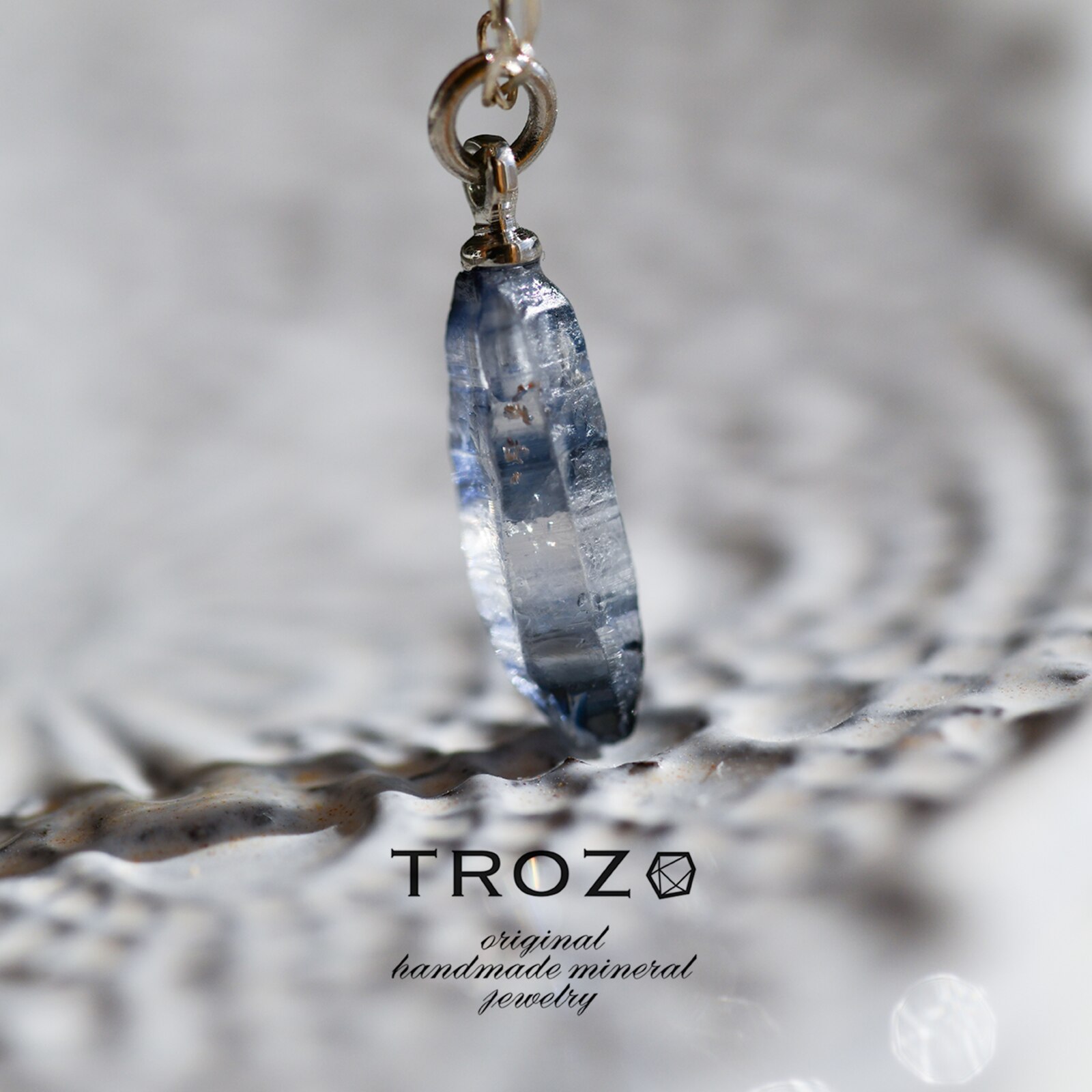
◆ Mineral Data
- English name
- Sapphire
- Chemical formula
- Al₂O₃ + trace Fe (iron) + Ti (titanium) — the non-red varieties of corundum
- Mineral class
- Corundum family
- Crystal system
- Trigonal
- Mohs hardness
- 9 (second only to diamond)
- Specific gravity
- about 3.99
- Main sources
- Sri Lanka (Ceylon), Kashmir (cornflower blue), Myanmar (royal blue, Mogok), Madagascar, Australia, Thailand, Tanzania, USA (Montana)
- Color range
- Blue (iron + titanium, most common); pink, yellow, green, purple, colorless (fancy color sapphires); pink-orange is “padparadscha” (one of the three rarest gems)
- Notable trait
- Corundum in every color but red; same family, hardness, formula and system as ruby. Royal blue (Myanmar) and cornflower blue (Kashmir) are the finest. About 99% of market material is heat-treated. One of the world’s four precious gemstones
- Birthstone
- September (45th “sapphire” wedding anniversary)
◆ Sapphire and ruby — the same corundum, siblings of color
Iron + titanium = blue; chromium = red.
Sapphire and ruby are color variants of one mineral, corundum (Al₂O₃). Iron (Fe) and titanium (Ti) make blue “sapphire”, while about 1% chromium (Cr) makes deep-red “ruby”. The formula, the trigonal system and the Mohs 9 hardness are all identical, and only the trace element changes the gem’s name. Sapphire is not only blue: every color except red — pink, yellow, green, purple, colorless — is a “fancy color sapphire”. Among them the pink-orange “padparadscha sapphire” is prized as one of the world’s three rarest gems, alongside Paraíba tourmaline and alexandrite — one of the summits of the corundum family.
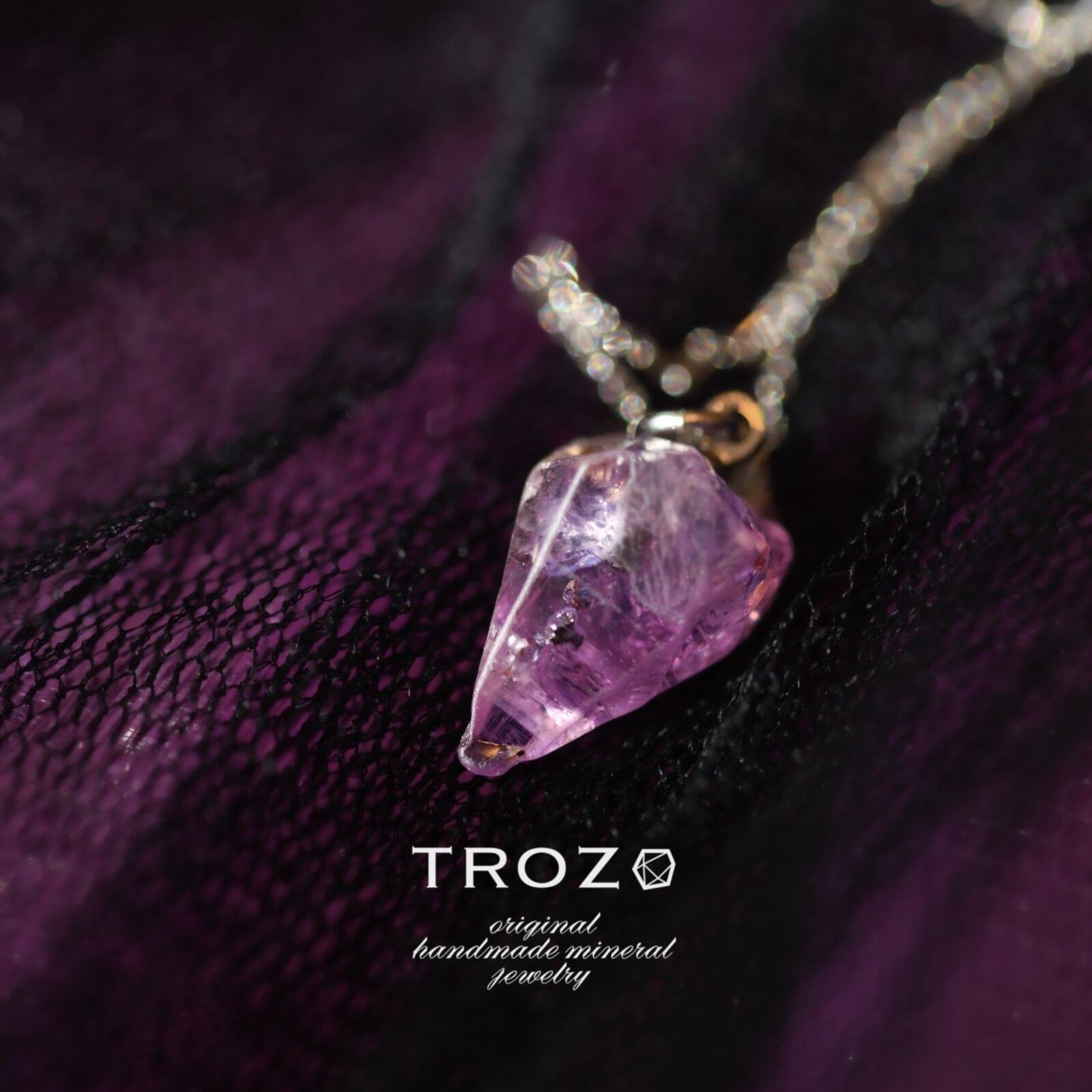
◆ Guardian of crown and church — medieval Europe to the British royals
From the Old Testament to the jewels of coronation.
Sapphire has been loved since antiquity as “the stone that means blue” (the name comes from the Greek *sappheiros*, “blue”). It appears many times in the Old Testament, and in Christian lands it became a symbol of piety, purity and sincerity. In medieval Europe it adorned crowns, vestments and archbishops’ rings as a guardian stone against evil. Its bond with the British Crown runs deep — the coronation regalia include the 17th-century 104-carat “Stuart Sapphire” and the sapphire in the cross of St Edward — and in 1981 the late Princess Diana’s 12-carat Ceylon-sapphire engagement ring became world-famous; it is now worn by the Princess of Wales.
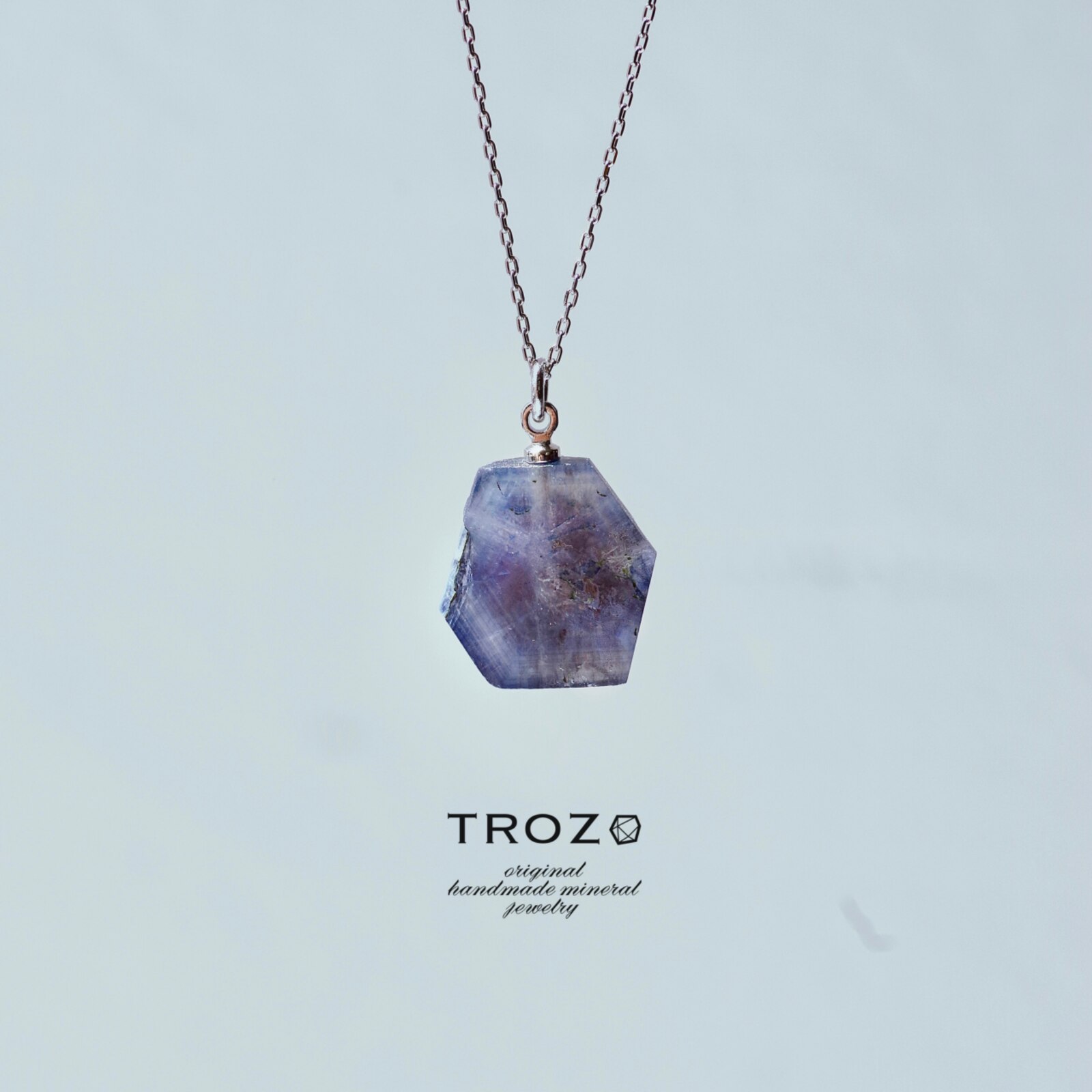
◆ Choosing raw sapphire jewelry — the longing for royal blue
Choose by depth of blue, source and hue.
At Mohs 9 sapphire is second in hardness only to diamond — an exceptionally durable material for everyday wear. The character of a raw stone turns on the depth of blue (iron and titanium content), the hue by source, the clarity and the landscape of the inclusions. “Royal blue” (Myanmar) is a deep, rich blue; “cornflower blue” (Kashmir) a highly saturated, soft blue; “Ceylon blue” (Sri Lanka) a bright, clear blue — the same “blue sapphire” reads quite differently by source. The fancy colors beyond blue (pink, yellow, green and more) are abundant too, making it a stone of many choices.
TROZO sets sapphire without polishing away its character, letting the natural color and the inclusions lead the design. Most blue sapphire on the market is heat-treated (a custom of long standing). We offer pieces for those who would like to choose color and size from stock, as well as pieces where the meeting with the stone is left to chance — a stone to keep for years, a symbol of sincerity and wisdom.
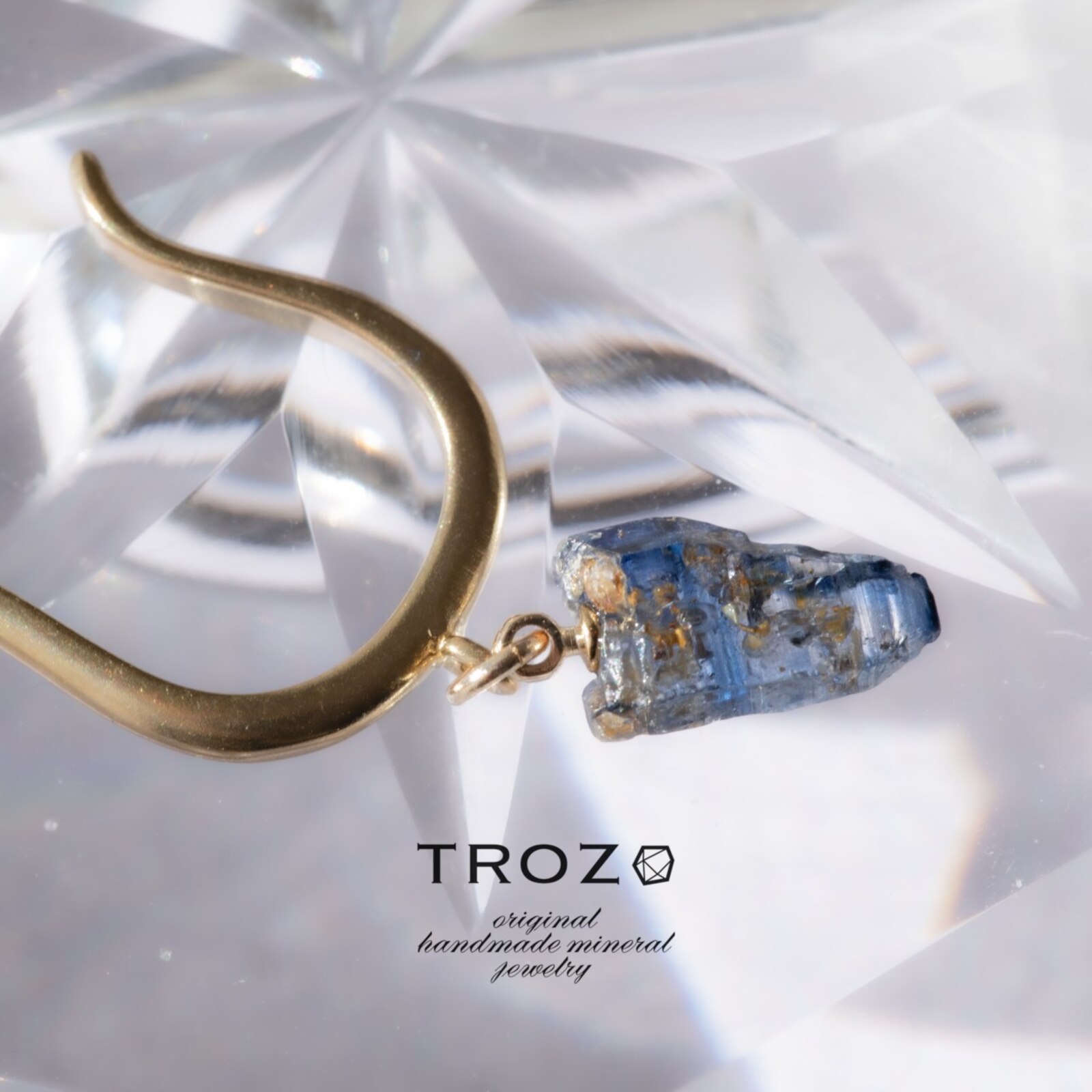
◆ Sapphire Raw-Stone Jewelry
Handmade raw stone & mineral pieces — TROZO
◆ Frequently Asked Questions about Sapphire
Q What does sapphire symbolize?
Sapphire is traditionally associated with sincerity, integrity, wisdom, protection, calm, benevolence, compassion and trust. A “guardian stone against evil” in medieval Europe and still closely tied to the British Crown, it is September’s birthstone and the gift for a 45th wedding anniversary.
Q Are sapphire and ruby the same mineral?
Yes — both are exactly the same mineral, corundum (Al₂O₃). They differ only in color, from the trace element: iron (Fe) and titanium (Ti) give blue “sapphire”, while about 1% chromium (Cr) gives deep-red “ruby”. The basic rule is “red corundum is ruby; all other corundum is sapphire”.
Q How hard is sapphire?
Its Mohs hardness is 9, among the hardest natural minerals, second only to diamond (10). It shares ruby’s hardness and is an exceptionally durable material for everyday jewelry — hard enough to be used industrially as “sapphire glass” (such as watch crystals), resistant to scratching and long-lasting in beauty.
Q What is a fancy color sapphire?
Every sapphire of a color other than blue is a “fancy color sapphire” — pink, yellow, green, purple, orange, colorless and more, as corundum takes many colors from different trace elements. Among them the pink-orange “padparadscha sapphire” (from the Sanskrit *padmaranga*, “lotus color”) is prized as one of the world’s three rarest gems, alongside Paraíba tourmaline and alexandrite.
Q What are royal blue and cornflower blue?
They are names for sapphire’s finest qualities by source and hue. “Royal blue” is the deep, richly saturated blue of Myanmar; “cornflower blue” is the highly saturated, soft blue of Kashmir, like the cornflower; “Ceylon blue” is the bright, clear blue of Sri Lanka. Each is held an exceptional quality in the world of fine jewelry.
Q What about sapphire heat treatment?
About 99% of blue sapphire on the market is heat-treated. Pale or dull rough is heated to around 1,000 °C to order the state of its iron and titanium and draw out a vivid blue. A long-standing custom that does not diminish value, though untreated (“no-heat”) stones are rare and can carry higher value.
Q What kinds of jewelry can sapphire become?
As natural-stone jewelry, sapphire is used for raw-stone earrings, necklaces, rings, brooches and ear cuffs. TROZO makes sapphire jewelry that keeps the raw stone unpolished so its color and inclusions lead the design — both pieces you can choose by color and size from stock, and pieces where the meeting with the stone is left to chance.
EXPLORE THE SHOP
Explore the world of Sapphire
Discover more pieces than we can show here at the TROZO shop.
Shop Sapphire